We lived for eleven years in my Nanna and Grandad’s old family home, where we raised our children in what felt like a very lucky, grounded way. The house came with a big, generous garden—fruit trees, productive planting, space to grow things properly. It was here that I first began painting seriously, and that garden has never really left my work. It taught me about lived-in landscapes, about places shaped slowly by care and time.
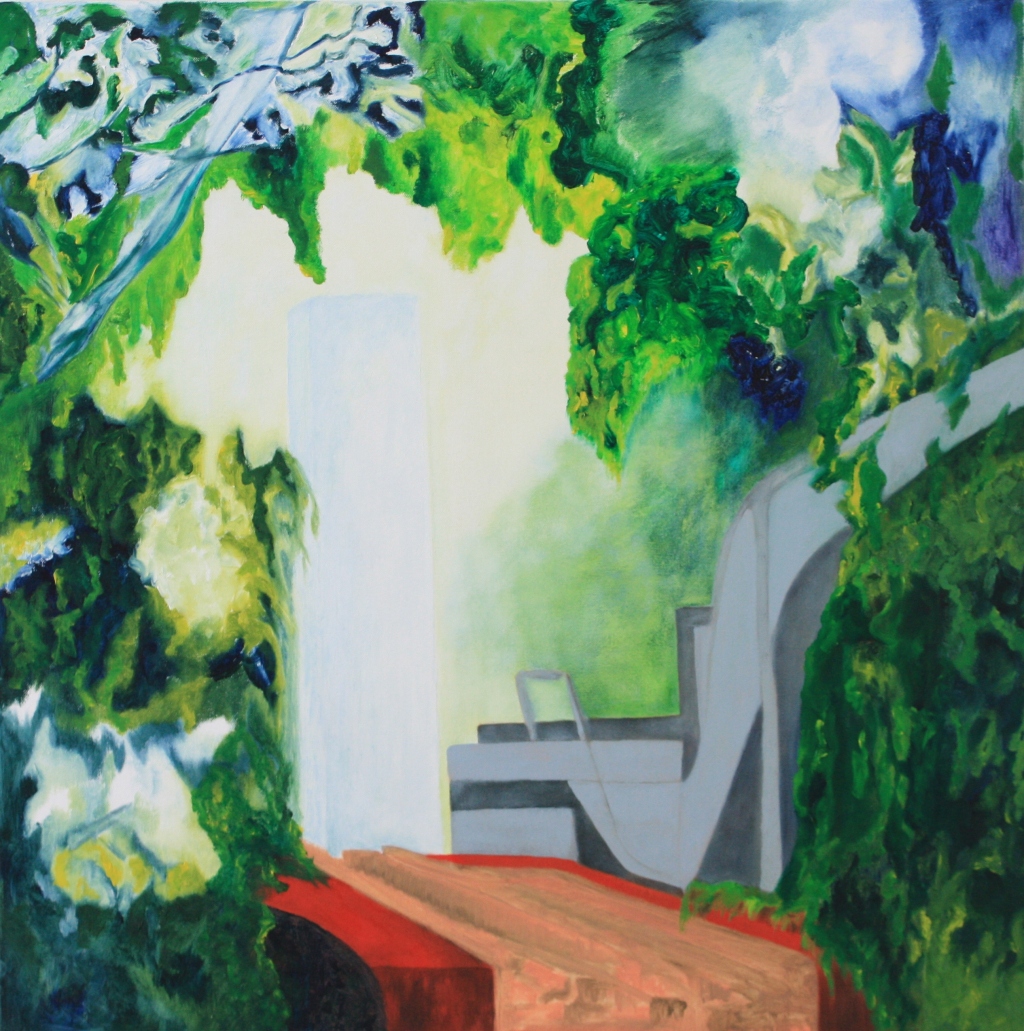
The street itself was full of long-term residents who knew one another well. Many of the houses had gardens that had been tended for decades. Two doors down was a small art-deco home belonging to a family friend and passionate gardener, Mrs Flemming. Plants were often exchanged between neighbours, cuttings passed over fences, gardens growing into one another in quiet, generous ways.
The street sat close to a bird sanctuary, and ducks would regularly waddle up from the wetlands and down our road. There weren’t many fences, and the children moved freely between backyards and houses after school. Outdoor space, wildlife, and community were part of everyday life, woven together without much thought.
When our neighbour, Mrs Flemming, passed away, her home was demolished, along with the beautiful, established garden she had spent her lifetime growing. In its place came a large new house and a newly landscaped section. The change was abrupt, and it marked the loss of something that had taken years to develop—both ecologically and socially.
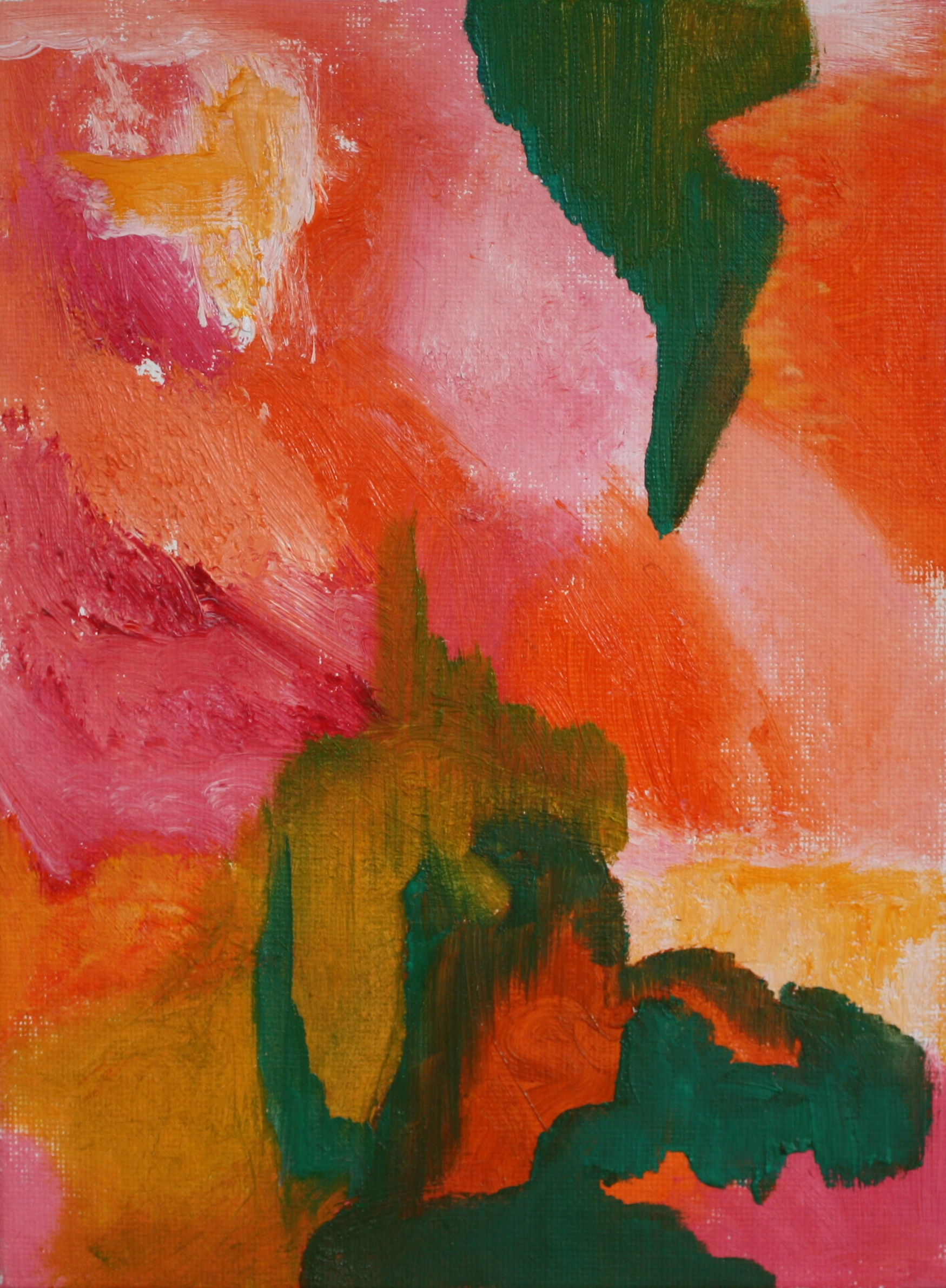
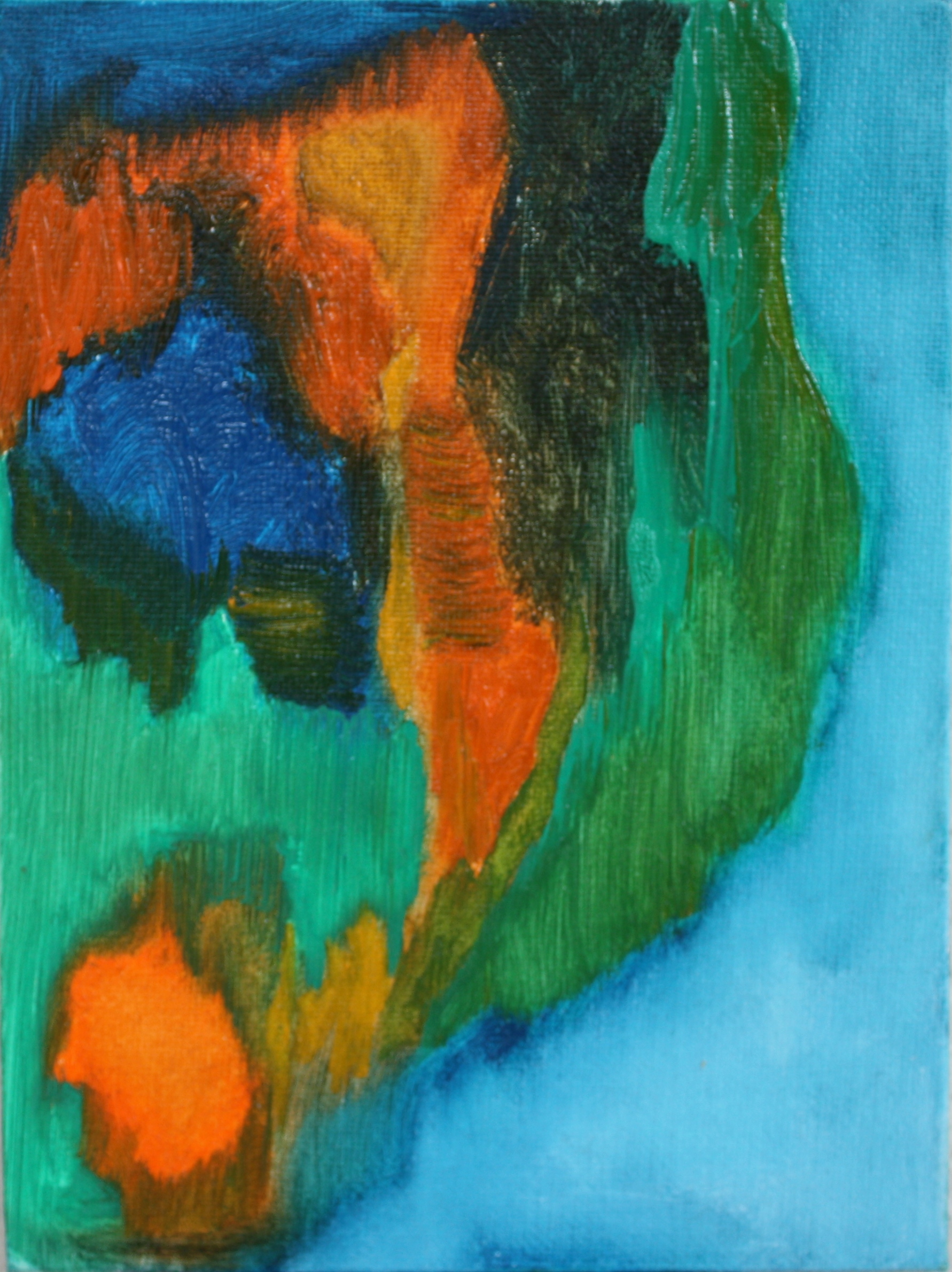
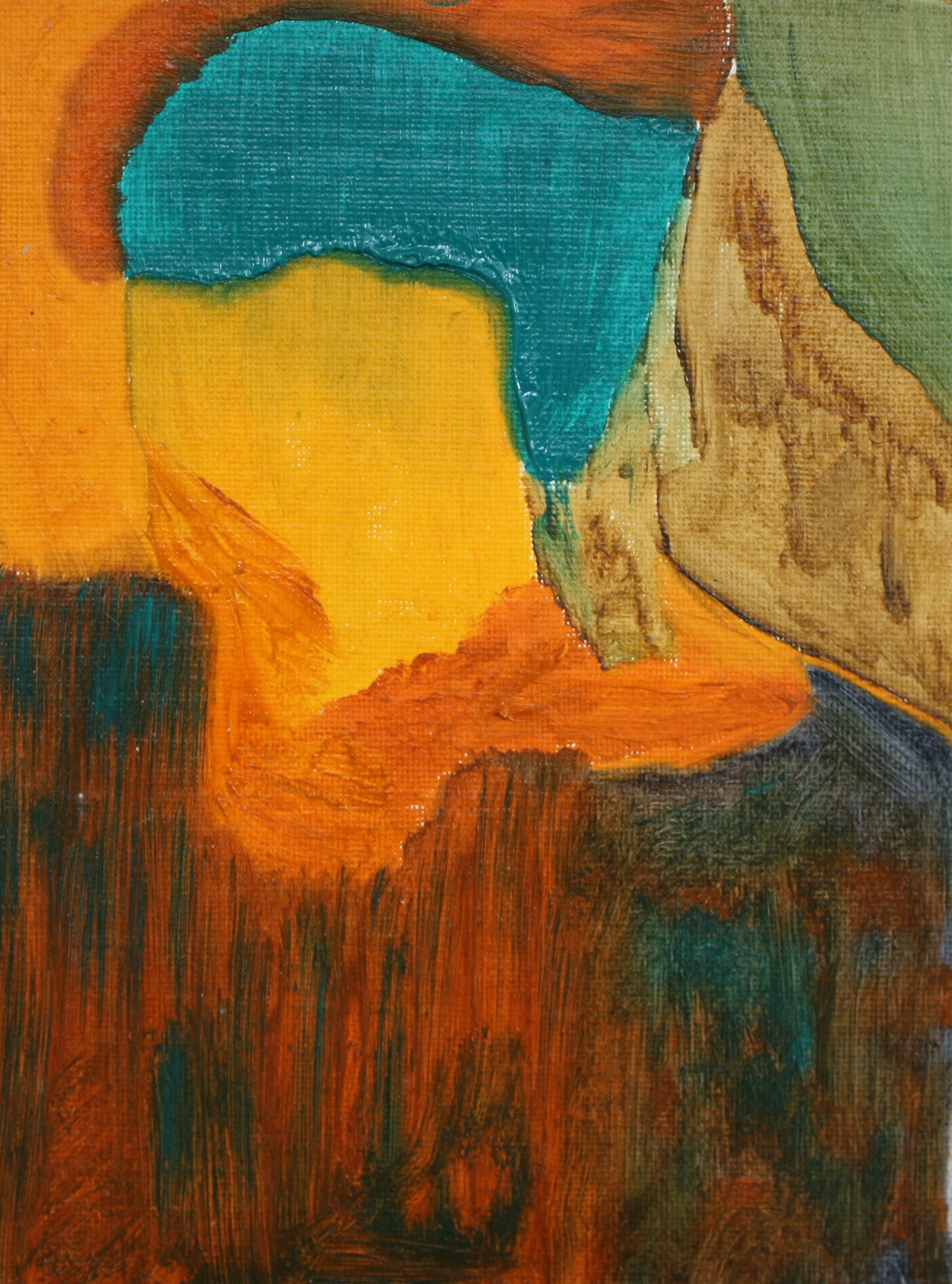
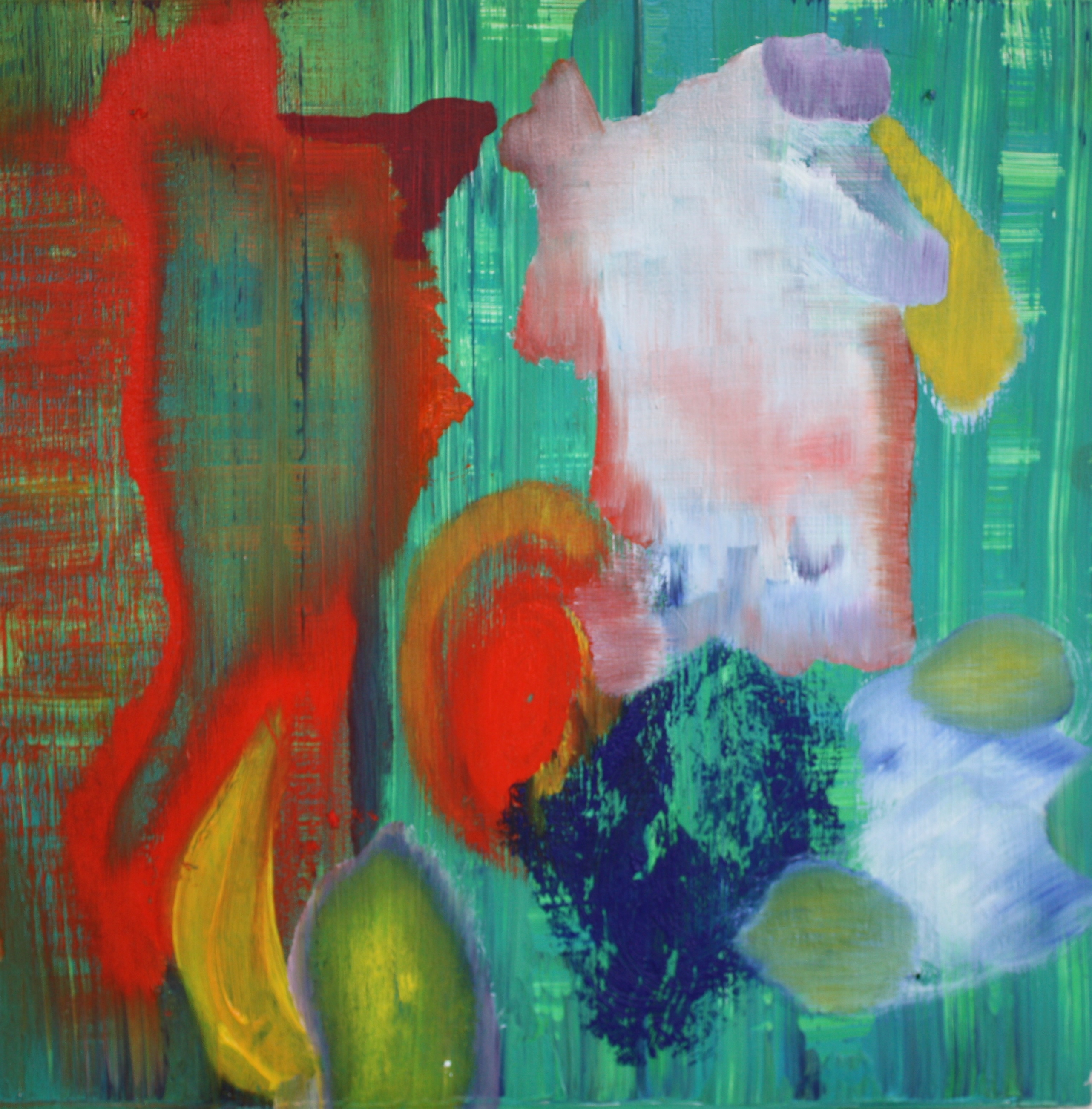
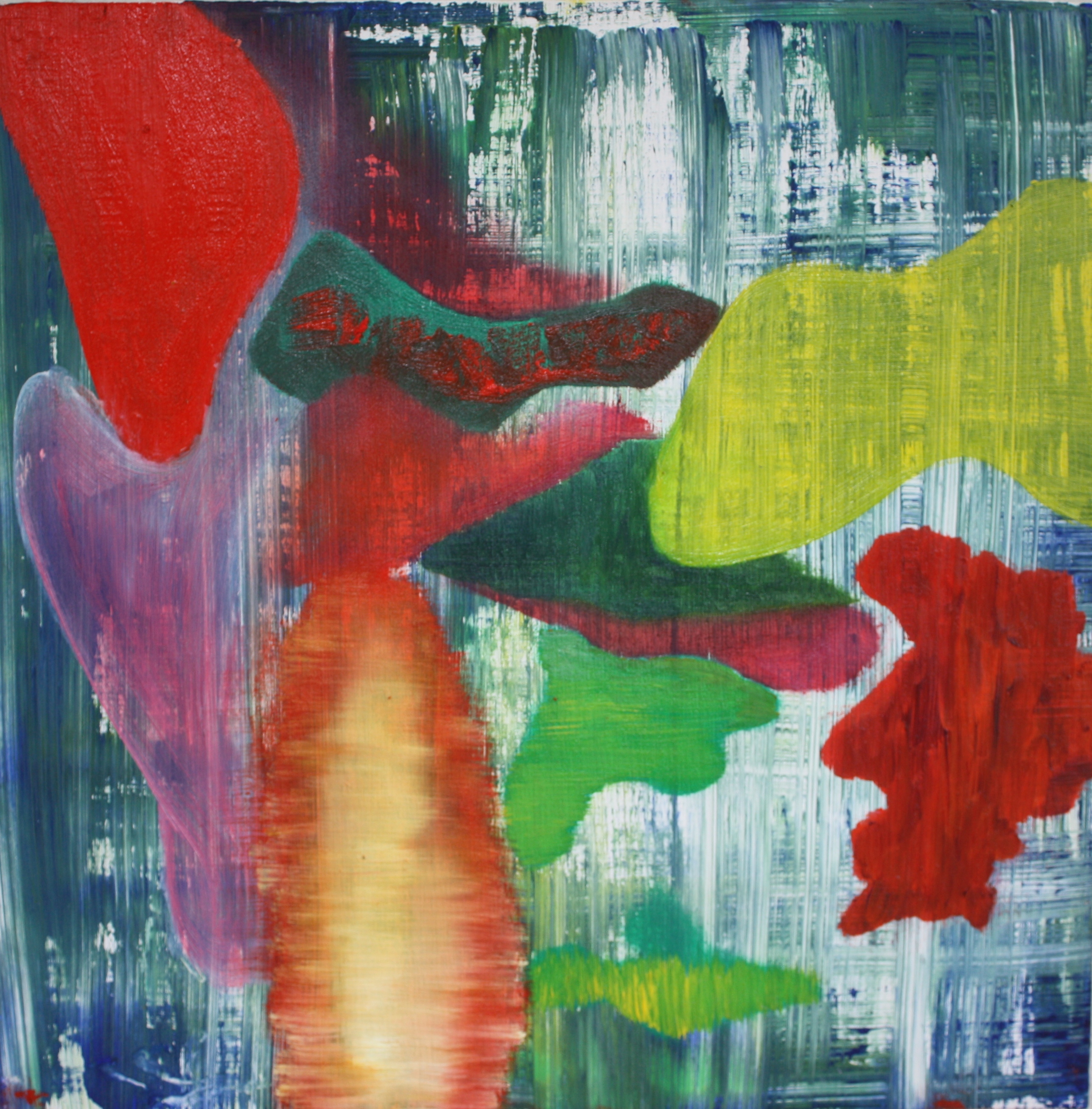
This body of work holds small, abstract echoes of that time and place: a record of a lived landscape, of community, and of what quietly disappears as environments change.





 Jana Wood
Leave a comment